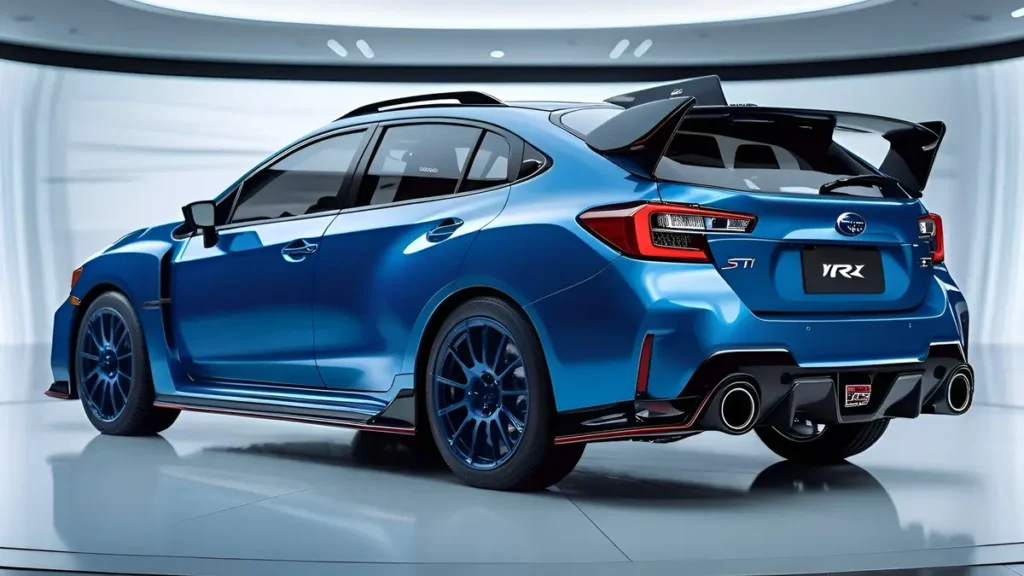
2026 Subaru WRX STI Fan Reaction: The Subaru WRX STI has long been a rally-inspired icon in the United States, beloved for its raw turbocharged power, aggressive styling, and motorsport pedigree. When Subaru unveiled the 2026 WRX STI Sport# prototype at the Tokyo Auto Salon, American fans immediately weighed in. Some praised its sleek design and updated tech, while others criticized its modest horsepower and departure from the STI’s historic dominance. Let’s break down the details and reactions to understand why this reveal has stirred such strong emotions.
Design language raises eyebrows
The 2026 WRX STI Sport# prototype introduces a sharper, more refined exterior that blends sporty aggression with modern sophistication. Subaru’s designers leaned into angular lines, slimmer headlights, and a more aerodynamic silhouette. While some U.S. fans appreciate the futuristic look, others argue it feels too restrained compared to the bold wings and rally-inspired stance of past STIs. The absence of the iconic oversized rear wing has been a particular sticking point, leaving enthusiasts questioning whether Subaru is softening the STI’s image.
Power figures disappoint loyalists
Under the hood, the prototype features a 2.4-liter turbocharged flat-four engine producing 271 horsepower and 258 lb-ft of torque. These numbers mirror the standard WRX, which has left many American fans frustrated. Historically, the STI offered a significant performance jump over the WRX, making it the flagship of Subaru’s lineup. Without that extra punch, critics argue the STI badge loses meaning. Enthusiasts expected at least 320 horsepower, and the lack of differentiation has fueled disappointment.
Technology upgrades impress some fans
Despite the power debate, Subaru has packed the prototype with advanced technology. Features include adaptive suspension, driver-selectable performance modes, and upgraded infotainment systems. U.S. drivers who prioritize daily usability and comfort see these updates as a win, making the STI more versatile for modern lifestyles. The inclusion of safety tech like lane-keep assist and collision mitigation also appeals to a broader audience, though purists argue these additions dilute the raw driving experience that defined the STI.
Heritage versus modernization clash
The WRX STI has always been about rally heritage, with roots in motorsport glory. American fans who grew up idolizing the STI’s dominance in rally stages feel the prototype strays too far from its DNA. Subaru’s decision to prioritize refinement and efficiency over brute force has sparked heated debates in online forums. Some argue that modernization is necessary to keep the STI relevant in today’s market, while others believe Subaru risks alienating its most loyal base.

Fan reactions split across communities
Across U.S. car communities, reactions have been polarized:
- Positive voices praise the sleek design, improved comfort, and advanced tech.
- Critical voices lament the lack of power, missing rear wing, and diluted rally spirit.
- Neutral voices adopt a wait-and-see approach, hoping Subaru will release a higher-performance variant before production.
This division highlights the challenge Subaru faces: balancing tradition with innovation while keeping its fanbase engaged.
Comparing WRX and STI expectations
| Feature | 2026 WRX STI Sport# Prototype | Traditional STI (2010s) |
|---|---|---|
| Horsepower | 271 hp | 305–310 hp |
| Torque | 258 lb-ft | 290+ lb-ft |
| Rear Wing | Absent | Prominent rally wing |
| Tech Features | Advanced driver aids, infotainment | Minimal tech focus |
| Driving Character | Balanced, refined | Raw, aggressive |
This comparison shows why many U.S. fans feel the prototype doesn’t live up to the STI legacy.
Market positioning in the United States
Subaru’s decision to unveil the prototype has major implications for the U.S. market. The WRX STI has historically been a niche performance car, appealing to enthusiasts who value rally-inspired driving. By toning down the aggression and focusing on refinement, Subaru may be targeting a broader audience. However, this risks losing the hardcore fanbase that has kept the STI alive for decades. The U.S. market thrives on performance competition, and without a clear edge, the STI could struggle against rivals like the Honda Civic Type R and Toyota GR Corolla.
Enthusiast hopes for future updates
Many American fans remain hopeful that Subaru will release a higher-performance variant before full production. Rumors suggest possible hybrid assistance or performance tuning packages that could push horsepower closer to 320. Enthusiasts also hope Subaru will reintroduce signature elements like the rally wing and more aggressive suspension tuning. Until then, the prototype remains a divisive symbol of Subaru’s evolving strategy.
2026 Pontiac GTO Convertible: Open-Top American Muscle with Classic Attitude & Futuristic Tech
Why Subaru made this move
Industry analysts suggest Subaru’s cautious approach stems from stricter emissions regulations and shifting consumer priorities. By keeping horsepower modest, Subaru ensures compliance while appealing to buyers who value efficiency and reliability. In the U.S., where performance culture is strong, this strategy feels risky. Yet Subaru may be betting that a blend of refinement and rally heritage will attract new buyers without alienating too many loyalists.
Final Word: 2026 Subaru WRX STI Fan Reaction
The 2026 Subaru WRX STI Sport# prototype has sparked one of the most heated debates in recent automotive memory. For U.S. fans, the lack of extra horsepower and missing rally-inspired elements feel like a betrayal of the STI legacy. Yet others see the design and technology upgrades as a step toward modernization. Ultimately, Subaru faces a crossroads: either double down on tradition or embrace a new era of performance. The final verdict? The STI’s future in America depends on whether Subaru can balance heritage with innovation—and right now, the jury is still out.
